


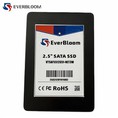

Hey there, tech enthusiasts! As a supplier of MSATA SATA III SSD, I'm super stoked to unpack the ins and outs of what the interface speed of an MSATA SATA III SSD really means. It's a topic that can sometimes feel a bit like trying to decipher an alien language, but fear not - by the end of this blog, you'll be well - versed in all things related to SSD interface speeds.
Let's start with the basics. What the heck is an MSATA SATA III SSD? Well, it's a type of solid - state drive. Unlike traditional hard disk drives (HDDs) that use spinning disks and mechanical parts, SSDs are all about flash memory. This makes them faster, more reliable, and less prone to physical damage. The "MSATA" part stands for Mini - Serial ATA. It's a smaller form factor compared to the standard 2.5 - inch drives, which makes it perfect for ultra - thin laptops, small form - factor PCs, and industrial applications where space is at a premium. And the "SATA III" is the interface standard that determines how fast data can travel between the SSD and the computer's motherboard.
Now, on to the main event: the interface speed. The SATA III interface, also known as SATA 6 Gbps, has a theoretical maximum transfer rate of 6 gigabits per second (Gbps). But hold your horses! That's just a theory. In the real world, you won't actually get that lightning - fast speed all the time. There are a whole bunch of factors that can affect the actual transfer rate.
First off, the quality of the SSD itself plays a huge role. Not all MSATA SATA III SSDs are created equal. Some of our high - end models are built with top - notch flash memory chips and advanced controllers that can handle high - speed data transfers more efficiently. These chips are designed to read and write data at breakneck speeds. But if you skimp on quality and go for a cheaper model, you might end up with slower performance. For example, a lower - quality SSD might have slower NAND flash memory, which can bottleneck the data flow and prevent you from reaching the SATA III's full potential.
The computer's hardware also has a say in how fast your MSATA SATA III SSD performs. If your motherboard is an older model that only supports SATA II (which has a maximum speed of 3 Gbps), then your shiny new SATA III SSD will be limited to that slower speed. It's like putting a high - performance race car on a dirt road - it just can't show off its full speed. Even if you have a SATA III - compatible motherboard, other components like the CPU and the system memory can also impact the overall data transfer speed. If your CPU is old and slow, it might not be able to keep up with the data being read or written to the SSD, causing a slowdown.
Another factor is the type of data you're working with. Sequential data transfers, where data is read or written in a continuous stream, tend to be much faster than random data transfers. For example, when you're copying a large file from one location to another on your SSD, that's a sequential transfer. Our MSATA SATA III SSDs can achieve really impressive speeds for sequential reads and writes, often getting close to the SATA III standard's upper limits for these types of operations.
On the other hand, random data transfers, like when your computer is accessing small bits of data from different parts of the drive (which happens a lot during normal computer use), are usually slower. This is because the SSD has to search for the data in different locations on the flash memory, which takes time. However, our SSDs are designed with advanced algorithms to optimize random access performance, but it's still not going to be as fast as sequential transfers.
Let's compare the MSATA SATA III SSD with some of its cousins in the SSD family. The 2.5 Inch SATA III SSD has the same SATA III interface, so in theory, it has the same maximum transfer rate. But the 2.5 - inch form factor is larger, which means it can sometimes accommodate more advanced cooling solutions and larger capacity flash memory modules. This can result in better long - term performance, especially for high - intensity tasks like video editing or gaming.
Then there's the SATA III M.2 SSD. The M.2 form factor is even smaller and more compact than the MSATA. It's often used in modern ultra - thin laptops and tablets. While it also uses the SATA III interface, some M.2 SSDs come with additional features like NVMe (Non - Volatile Memory Express) support, which can offer much higher speeds compared to traditional SATA III. But that's a whole different ballgame, and not all M.2 SSDs have this feature.
So, how can you tell if an MSATA SATA III SSD is right for you? Well, if you're looking to upgrade an older laptop or a small form - factor PC, and you need a balance between performance and space, then an MSATA SATA III SSD is a great choice. It can significantly speed up your computer's boot times, application loading times, and overall responsiveness. Whether you're a casual user who just wants a faster - running computer for web browsing and word processing, or a professional who needs reliable storage for your work files, our MSATA SATA III SSDs have got you covered.
If you're in the market for an MSATA SATA III SSD, or you just want to learn more about our products, don't hesitate to reach out. We're always here to answer any questions you might have and help you find the perfect SSD for your needs. Whether you're a small business looking to upgrade your fleet of laptops or an individual building your dream PC, we've got the expertise and the products to make it happen.
In summary, the interface speed of an MSATA SATA III SSD is a key factor in its performance, but it's not the only thing that matters. The quality of the drive, the computer's hardware, and the type of data you're working with all play important roles. Our MSATA SATA III SSDs are designed to offer the best possible performance within the constraints of the SATA III interface, and we're constantly working on improving our products to meet the ever - growing demands of the tech world.
So, if you're ready to take your computer's performance to the next level, get in touch and let's start a conversation about how our MSATA SATA III SSD can fit into your setup. We're excited to work with you and help you experience the speed and reliability of our SSDs.


References:
- General knowledge of SSD technology and industry standards.
- In - house product testing and research on MSATA SATA III SSDs.