


Yo, folks! As a supplier of RF Limiters, I've been getting a bunch of questions lately about whether an RF limiter can be used in RF jamming systems. So, I thought I'd sit down and write this blog to clear things up.
First off, let's quickly go over what an RF limiter is. An RF Limiter is a device that restricts the power of an RF signal. It's like a traffic cop for radio frequencies, making sure that the signal doesn't get too strong. When the input signal power is below a certain threshold, the limiter lets the signal pass through with minimal attenuation. But when the signal power exceeds that threshold, the limiter kicks in and starts to limit the output power.
Now, what about RF jamming systems? RF jamming is all about disrupting or interfering with radio frequency communications. It can be used in various scenarios, like military operations to block enemy communications or in some security applications to prevent unauthorized wireless access. RF jamming systems work by transmitting a strong RF signal on the same frequency as the target communication, drowning out the original signal.
So, can an RF limiter be used in an RF jamming system? The answer is yes, and there are a few good reasons for it.
Protecting the Receiver
One of the main reasons to use an RF limiter in an RF jamming system is to protect the receiver. In a jamming system, there are usually both a transmitter and a receiver. The receiver is used to monitor the target frequency and adjust the jamming signal accordingly. However, the high - power jamming signal that the transmitter sends out can also find its way back to the receiver. If this high - power signal reaches the receiver without any attenuation, it can damage the sensitive components in the receiver.
An RF limiter can be placed at the input of the receiver. It will limit the power of the incoming signal, making sure that the receiver only gets a safe level of power. This way, the receiver can keep doing its job of monitoring the target frequency without getting fried by the strong jamming signal.
Controlling the Output Power
Another reason is to control the output power of the jamming signal. In some cases, you might not want the jamming signal to be too strong all the time. For example, if you're trying to jam a specific area without affecting other nearby systems, you need to carefully control the power of the jamming signal.
An RF limiter can be used in the signal path of the jamming transmitter. By setting the appropriate limiting threshold, you can ensure that the output power of the jamming signal doesn't exceed a certain level. This gives you more control over the jamming operation and helps to avoid unnecessary interference with other legitimate RF systems.
Compatibility with Other Components
RF limiters can also be used in combination with other RF components in an RF jamming system. For instance, Digital Step Attenuators are often used to adjust the attenuation of the RF signal in a more precise way. An RF limiter can work together with a digital step attenuator. The limiter provides a basic level of protection and power limiting, while the digital step attenuator can be used for fine - tuning the signal power.
Similarly, RF Equalizers are used to compensate for the frequency - dependent attenuation in the RF system. An RF limiter can be integrated into the system along with an RF equalizer to ensure that the overall performance of the jamming system is optimized.
Challenges and Considerations
Of course, using an RF limiter in an RF jamming system isn't without its challenges.
One challenge is the response time of the RF limiter. In an RF jamming system, the jamming signal can change very quickly, especially if you're trying to jam a frequency - hopping communication system. The RF limiter needs to be able to respond to these rapid changes in signal power. If the response time is too slow, the limiter might not be able to protect the receiver or control the output power effectively.
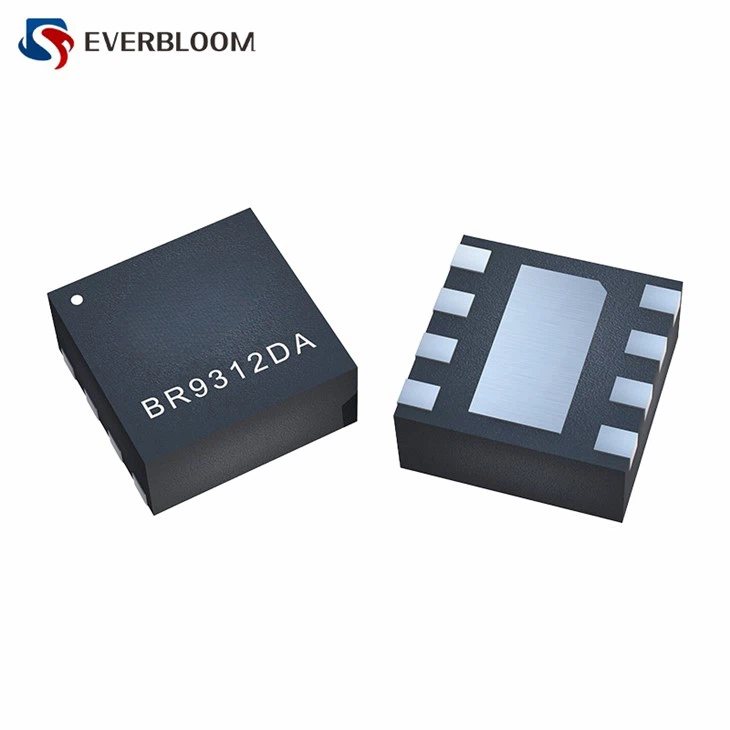

Another consideration is the insertion loss of the RF limiter. Insertion loss is the amount of power that is lost when the signal passes through the limiter. In an RF jamming system, where power efficiency is often important, a high insertion loss can reduce the overall effectiveness of the jamming signal. So, you need to choose an RF limiter with a low insertion loss.
Conclusion
In conclusion, an RF limiter can definitely be used in an RF jamming system. It offers benefits like protecting the receiver, controlling the output power, and being compatible with other RF components. However, you also need to be aware of the challenges, such as response time and insertion loss.
If you're in the market for an RF limiter for your RF jamming system or any other RF application, I'd love to have a chat with you. We've got a wide range of RF limiters that are designed to meet different requirements. Whether you need a high - speed limiter for a fast - changing jamming environment or a low - insertion - loss limiter for better power efficiency, we've got you covered. So, don't hesitate to reach out and start a conversation about your RF limiter needs.
References
- Pozar, D. M. (2011). Microwave Engineering. Wiley.
- Collin, R. E. (2001). Foundations for Microwave Engineering. Wiley.