


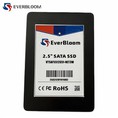
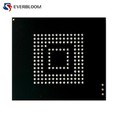
In the realm of portable devices, the choice of storage solution is crucial, impacting everything from device performance to user experience. eMMC, or embedded MultiMediaCard, has long been a topic of interest in this context. As an eMMC supplier, I am often asked whether eMMC can be effectively used in portable devices. In this blog post, I'll delve into the characteristics of eMMC, its suitability for portable devices, and the different types of eMMC products we offer.
Understanding eMMC
eMMC is a type of flash storage device that combines flash memory chips and a flash memory controller into a single package. It provides a standardized interface for embedded systems, making it easier for device manufacturers to integrate storage into their products. The key advantage of eMMC is its simplicity and cost - effectiveness. Unlike other storage solutions such as SSDs (Solid State Drives) which may require more complex interfaces and additional components, eMMC can be directly connected to the device's motherboard, reducing the overall design complexity and cost.
Suitability of eMMC for Portable Devices
Performance
One of the primary concerns when considering eMMC for portable devices is performance. Portable devices, such as smartphones, tablets, and wearables, require fast data access speeds to ensure smooth operation. eMMC has made significant strides in this area. For example, the latest eMMC standards support high - speed data transfer rates. The HS400 Consumer Grade EMMC offers a maximum data transfer rate of up to 400MB/s, which is sufficient for most consumer - level portable devices. This allows for quick app launches, smooth video playback, and efficient multitasking.
In addition, eMMC's performance is well - suited for the typical usage patterns of portable devices. Most users of portable devices perform a mix of read and write operations, such as taking photos, downloading apps, and browsing the web. eMMC can handle these operations effectively, providing a responsive user experience.
Power Consumption
Power consumption is another critical factor for portable devices. Since these devices are often battery - powered, minimizing power usage is essential to extend battery life. eMMC is designed with power efficiency in mind. The embedded controller in eMMC manages power consumption by optimizing data transfer and idle states. Compared to other storage solutions, eMMC consumes relatively less power, making it an ideal choice for portable devices where battery life is a major concern.
Cost
Cost is always a significant consideration for device manufacturers. eMMC offers a cost - effective storage solution for portable devices. The integration of the flash memory and controller into a single package reduces the need for additional components, which in turn lowers the overall cost of production. This cost - effectiveness allows manufacturers to offer portable devices at competitive prices, making them more accessible to a wider range of consumers.
Form Factor
Portable devices are known for their compact and sleek designs. eMMC comes in a small form factor, which makes it easy to integrate into these devices without taking up too much space. Whether it's a thin smartphone or a lightweight tablet, eMMC can be easily accommodated, ensuring that the device's design remains sleek and portable.
Different Types of eMMC for Portable Devices
Consumer Grade eMMC
Our HS400 Consumer Grade EMMC is specifically designed for consumer - level portable devices. It offers a balance of performance, cost, and reliability. With its high - speed data transfer rates, it can handle the demands of modern apps and multimedia content. This type of eMMC is suitable for smartphones, tablets, and other consumer electronics that require a cost - effective and high - performance storage solution.
Industrial Grade eMMC
For more demanding applications, such as industrial portable devices or ruggedized tablets, we offer the HS400 Industrial Grade EMMC. This type of eMMC is built to withstand harsh environments, including extreme temperatures, vibrations, and shocks. It also offers enhanced reliability and data integrity, making it suitable for applications where data loss or system failure is not an option.
Challenges and Considerations
While eMMC has many advantages for portable devices, there are also some challenges and considerations. One of the main limitations of eMMC is its scalability. As the demand for storage capacity in portable devices continues to grow, eMMC may face challenges in providing larger capacities compared to other storage technologies. However, ongoing research and development are aimed at increasing the storage capacity of eMMC while maintaining its performance and cost - effectiveness.
Another consideration is the endurance of eMMC. Flash memory, which is used in eMMC, has a limited number of write cycles. Over time, repeated write operations can cause the flash memory cells to degrade, leading to potential data loss. However, modern eMMC controllers use wear - leveling algorithms to distribute write operations evenly across the flash memory, extending its lifespan.
Conclusion
In conclusion, eMMC is a viable and attractive option for portable devices. Its combination of performance, power efficiency, cost - effectiveness, and small form factor makes it well - suited for a wide range of consumer and industrial portable devices. Whether you are a device manufacturer looking for a reliable storage solution or a consumer in search of a high - performing portable device, eMMC can meet your needs.


If you are interested in learning more about our eMMC products or are considering them for your next portable device project, I encourage you to reach out to us for a procurement discussion. We have a team of experts who can provide you with detailed information and guidance on the best eMMC solution for your specific requirements.
References
- "Embedded MultiMediaCard (eMMC) Specification," JEDEC Solid State Technology Association.
- "Flash Memory Technology and Applications," IEEE Transactions on Electron Devices.