



Can I use an MSATA SATA III SSD in a Chromebook?
As an MSATA SATA III SSD supplier, I often receive inquiries from customers about the compatibility of our products with various devices, including Chromebooks. In this blog post, I'll delve into the technical aspects to answer the question: Can you use an MSATA SATA III SSD in a Chromebook?
Understanding Chromebook Storage
Chromebooks are lightweight laptops that primarily rely on cloud storage and web - based applications. However, they do come with local storage options, which are crucial for offline use and storing local files. Most Chromebooks are equipped with either eMMC storage or SSDs. The type of storage interface available in a Chromebook can vary depending on the model and its intended use.
MSATA SATA III SSD: A Brief Overview
The MSATA SATA III SSD is a form of solid - state drive that uses the mSATA interface. It is a smaller form factor compared to the traditional 2.5 - inch SATA III SSDs. The SATA III interface offers a theoretical maximum transfer speed of 6 Gbps, which provides fast data read and write operations. This makes it suitable for applications where quick access to data is required.
Compatibility Factors
When considering using an MSATA SATA III SSD in a Chromebook, several factors need to be taken into account:
1. Physical Compatibility
The first thing to check is whether the Chromebook has an mSATA slot. Not all Chromebooks are designed with this slot. Some models may have only eMMC storage soldered directly onto the motherboard, which means there is no option to add an mSATA SSD. For those Chromebooks that do have an mSATA slot, it is important to ensure that the physical dimensions of the MSATA SATA III SSD match the slot requirements.
2. Firmware and BIOS Support
Even if the Chromebook has an mSATA slot, the device's firmware and BIOS need to support the use of an mSATA SSD. Some older Chromebook models may not have the necessary firmware updates to recognize and utilize an mSATA SSD properly. In such cases, you may need to check if there are any available firmware updates from the Chromebook manufacturer.


3. Operating System Compatibility
Chromebooks run on Chrome OS, which is designed to work with specific types of storage. While Chrome OS is generally compatible with SATA - based storage devices, there could be potential issues. For example, the system may need to be configured to boot from the new MSATA SSD if you plan to use it as the primary storage device.
Advantages of Using an MSATA SATA III SSD in a Chromebook
If the Chromebook is compatible with an MSATA SATA III SSD, there are several benefits:
1. Faster Performance
Compared to eMMC storage, an MSATA SATA III SSD offers significantly faster read and write speeds. This means that applications will load more quickly, and file transfers will be much faster. For users who need to work offline or access large files frequently, this can greatly improve the overall user experience.
2. Increased Storage Capacity
Many Chromebooks come with limited built - in storage. By adding an MSATA SATA III SSD, you can increase the available storage space, allowing you to store more files, documents, and media locally.
Alternatives to MSATA SATA III SSDs in Chromebooks
If your Chromebook is not compatible with an MSATA SATA III SSD, there are other storage options available:
1. 2.5 Inch SATA III SSD
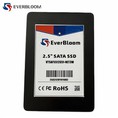
Some Chromebooks may have a 2.5 - inch SATA III drive bay. If this is the case, you can install a 2.5 - inch SATA III SSD, which offers similar performance to an mSATA SSD but in a larger form factor.
2. NVMe M.2 PCIe 3.0 SSD
Some high - end Chromebooks support NVMe M.2 PCIe 3.0 SSDs. These SSDs offer even faster performance compared to SATA - based SSDs, but they also require a compatible M.2 slot and proper firmware support.
How to Install an MSATA SATA III SSD in a Chromebook
If your Chromebook is compatible with an MSATA SATA III SSD, here are the general steps to install it:
- Back up your data: Before making any changes to your Chromebook's storage, it is important to back up all your important data.
- Power off the Chromebook: Make sure the device is completely powered off and unplugged from the power source.
- Open the Chromebook: Locate the access panel on the bottom of the Chromebook that provides access to the storage area. Use a small Phillips - head screwdriver to remove the screws and open the panel.
- Insert the MSATA SSD: Carefully insert the MSATA SATA III SSD into the mSATA slot. Make sure it is properly seated and locked in place.
- Close the Chromebook: Replace the access panel and tighten the screws.
- Power on the Chromebook: Turn on the Chromebook and enter the BIOS or UEFI settings to check if the new SSD is recognized. If necessary, configure the system to boot from the new SSD.
Conclusion
In conclusion, it is possible to use an MSATA SATA III SSD in a Chromebook, but it depends on the specific model and its compatibility. Before making a purchase, it is essential to check the physical, firmware, and operating system compatibility of your Chromebook. If your Chromebook is compatible, an MSATA SATA III SSD can provide significant performance and storage benefits.
If you are interested in purchasing an MSATA SATA III SSD for your Chromebook or have any questions about our products, feel free to reach out to us. We are here to help you find the best storage solution for your needs.
References
- Manufacturer's documentation for Chromebooks
- Technical specifications of MSATA SATA III SSDs