


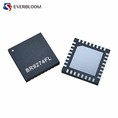
Temperature is a critical environmental factor that can significantly influence the performance of an RF limiter. As a leading RF limiter supplier, we have in - depth knowledge and practical experience in understanding how temperature variations impact the functionality of these devices. In this blog, we will explore the various ways in which temperature affects the performance of an RF limiter.
1. Basic Working Principle of RF Limiter
Before delving into the impact of temperature, it's essential to understand the basic working principle of an RF limiter. An RF limiter is a device used to protect sensitive RF components from high - power signals. It operates by clamping the output power to a predefined level when the input power exceeds a certain threshold. This is typically achieved through the use of diodes or other non - linear elements. When the input power is below the threshold, the limiter acts as a low - loss pass - through device. However, when the input power exceeds the threshold, the non - linear elements start to conduct, and the excess power is dissipated, thus limiting the output power.
2. Effects of Temperature on Threshold Level
One of the most significant impacts of temperature on an RF limiter is on the threshold level. The threshold level is the input power at which the limiter starts to limit the output power. As the temperature increases, the threshold level of the RF limiter may change. This is because the electrical properties of the non - linear elements, such as diodes, are temperature - dependent.
For example, the forward voltage drop of a diode decreases with an increase in temperature. This means that at higher temperatures, the diode may start to conduct at a lower input power level. As a result, the threshold level of the RF limiter may decrease, and the limiter may start to limit the output power earlier than expected. Conversely, at lower temperatures, the forward voltage drop of the diode increases, and the threshold level of the limiter may increase.
This change in the threshold level can have a significant impact on the performance of the RF system. If the threshold level decreases too much at high temperatures, the limiter may start to limit normal - power signals, which can lead to signal distortion. On the other hand, if the threshold level increases at low temperatures, the limiter may not provide adequate protection against high - power signals.
3. Effects of Temperature on Insertion Loss
Insertion loss is another important performance parameter of an RF limiter. It is defined as the ratio of the input power to the output power when the limiter is in the non - limiting state. Temperature can have a significant impact on the insertion loss of an RF limiter.
At higher temperatures, the resistance of the conductive elements in the limiter may increase due to the increase in the thermal motion of electrons. This increase in resistance can lead to an increase in the insertion loss of the limiter. Additionally, the dielectric properties of the materials used in the limiter may also change with temperature, which can further affect the insertion loss.
Conversely, at lower temperatures, the resistance of the conductive elements may decrease, leading to a decrease in the insertion loss. However, extremely low temperatures can also cause other issues, such as the brittleness of materials, which can affect the mechanical stability of the limiter.
4. Effects of Temperature on Limiting Performance
The limiting performance of an RF limiter refers to its ability to limit the output power to a predefined level when the input power exceeds the threshold. Temperature can have a significant impact on the limiting performance of an RF limiter.
At high temperatures, the non - linear elements in the limiter may become more conductive, which can lead to a more efficient limiting of the output power. However, this can also lead to an increase in the power dissipation of the limiter, which can cause overheating and potentially damage the device.

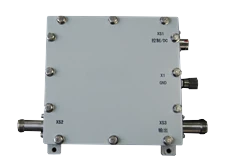
At low temperatures, the non - linear elements may become less conductive, which can result in a less effective limiting of the output power. This means that the output power may exceed the predefined limit, which can pose a risk to the sensitive RF components.
5. Thermal Management in RF Limiters
To mitigate the effects of temperature on the performance of an RF limiter, proper thermal management is essential. This can include the use of heat sinks, thermal pads, and other cooling mechanisms. Heat sinks are used to dissipate the heat generated by the limiter, while thermal pads are used to improve the thermal conductivity between the limiter and the heat sink.
In addition to passive cooling methods, active cooling methods, such as fans or liquid cooling, can also be used in high - power applications. These methods can help to maintain a stable temperature for the RF limiter, thus ensuring its optimal performance.
6. Applications and Temperature Considerations
RF limiters are widely used in various applications, such as RF LNA, High - Performance Equalizer, and Low Noise Block Converter. In each of these applications, temperature considerations are crucial.
In RF LNA applications, the RF limiter is used to protect the LNA from high - power signals. Since LNAs are very sensitive to signal distortion, the temperature - induced changes in the threshold level and insertion loss of the limiter can have a significant impact on the overall performance of the LNA.
In high - performance equalizer applications, the RF limiter helps to ensure that the input power to the equalizer remains within a safe range. Temperature variations can affect the limiting performance of the limiter, which can in turn affect the equalization performance of the equalizer.
In low - noise block converter applications, the RF limiter protects the converter from high - power interference. The temperature - related changes in the limiter's performance can affect the noise figure and conversion gain of the converter.
7. Contact for Purchase and Consultation
As a professional RF limiter supplier, we understand the importance of temperature - stable performance in RF applications. Our RF limiters are designed and manufactured with high - quality materials and advanced technologies to minimize the effects of temperature on performance.
If you are interested in purchasing our RF limiters or have any questions about their performance under different temperature conditions, please feel free to contact us. We are committed to providing you with the best products and technical support to meet your specific requirements.
References
- Pozar, D. M. (2011). Microwave Engineering. Wiley.
- Collin, R. E. (2001). Foundations for Microwave Engineering. Wiley.
- Gonzalez, G. (2019). Microwave Transistor Amplifiers: Analysis and Design. Prentice Hall.