


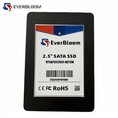

Hey there! I'm an EMMC supplier, and today I wanna talk about a question that often comes up: Is eMMC backward-compatible? Let's dive right in and break it down.
First off, what's eMMC? eMMC, or embedded MultiMediaCard, is a type of storage device that's commonly used in all sorts of electronic gadgets, like smartphones, tablets, and even some industrial devices. It's a convenient and cost - effective way to add storage to these devices.
Now, the big question: backward compatibility. Backward compatibility means that a newer version of a technology can work with older systems or devices. In the case of eMMC, the short answer is yes, eMMC is generally backward - compatible.
Let's look at how eMMC has evolved over time. There have been different versions of eMMC, such as eMMC 4.4, eMMC 4.5, eMMC 5.0, eMMC 5.1, and eMMC 5.2. Each new version brings improvements in terms of speed, performance, and features. But the good news is that these new versions are designed to play nice with older devices.
For example, if you have a device that was designed to work with eMMC 4.4, you can usually use a newer eMMC 5.1 or 5.2 module in it. The device's system will recognize the eMMC module and try to use it to the best of its ability. However, it's important to note that you might not get all the fancy features and high - speed performance that the newer eMMC version offers. The device will operate at a level that's compatible with its own design.
One of the reasons eMMC is backward - compatible is the standardization efforts in the industry. The JEDEC (Joint Electron Device Engineering Council) has set up standards for eMMC. These standards ensure that different eMMC modules from various manufacturers can work together and be compatible with different devices. So, whether you're using an eMMC from my company or another supplier, as long as it meets the JEDEC standards, there's a good chance it'll be backward - compatible.
But there are some caveats. Sometimes, a device's hardware or software might have limitations that prevent full compatibility. For instance, an older device might not have the necessary drivers or firmware to fully support a newer eMMC module. In such cases, you might run into issues like slow data transfer speeds, or the device might not recognize the eMMC module at all.
Another thing to consider is the power requirements. Newer eMMC modules might have different power consumption characteristics compared to older ones. If a device's power supply can't handle the power needs of a newer eMMC module, it could lead to instability or even damage to the device.
Now, let's talk about the different grades of eMMC. We have the HS400 Industrial Grade EMMC and the HS400 Consumer Grade EMMC. The industrial - grade eMMC is built to withstand harsher environments, like extreme temperatures, vibrations, and shocks. It's often used in industrial control systems, automotive applications, and other critical systems. The consumer - grade eMMC, on the other hand, is more suitable for everyday consumer devices like smartphones and tablets.
Both of these grades are also backward - compatible in most cases. But again, the industrial - grade eMMC might have some additional features or requirements that an older consumer device might not be able to take advantage of.
When it comes to backward compatibility, it's also important to think about the software side. The operating system (OS) of a device plays a crucial role. If the OS is outdated, it might not support the newer features of a backward - compatible eMMC module. For example, an older version of Android might not be able to fully utilize the high - speed data transfer capabilities of an eMMC 5.2 module. So, keeping the device's OS up - to - date can sometimes help improve compatibility.

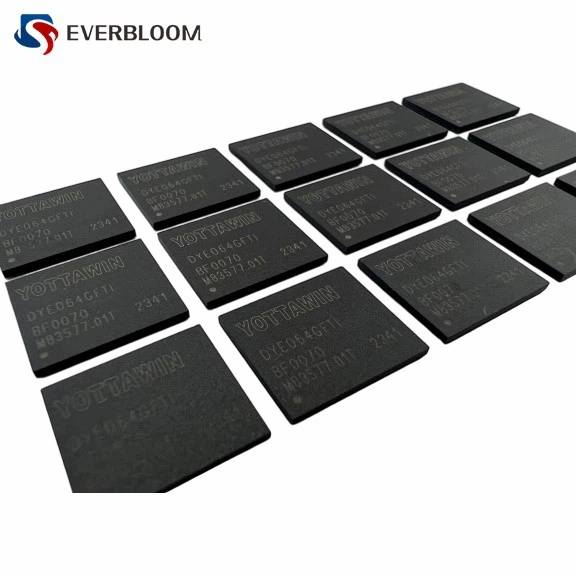
In some cases, you might need to do some testing before using a newer eMMC module in an older device. This can involve checking the device's specifications, running some diagnostic tests, and making sure that the power supply and other components can handle the new module.
As an EMMC supplier, I've seen a lot of customers who are hesitant to upgrade their devices' storage because they're worried about compatibility issues. But in most cases, the backward - compatibility of eMMC makes it a relatively safe and easy upgrade. You can often get more storage space and potentially better performance without having to replace the entire device.
If you're in the market for an EMMC module, whether it's for an older device or a new one, I'd be more than happy to help you find the right product. We have a wide range of eMMC modules, including the HS400 Industrial Grade EMMC and the HS400 Consumer Grade EMMC. Our team can provide you with all the technical details and support you need to ensure that the eMMC module you choose is compatible with your device.
If you have any questions about eMMC backward compatibility or want to discuss your specific requirements, feel free to reach out. We're here to make the process of choosing and using an eMMC module as smooth as possible. Whether you're a small - scale consumer or a large - scale industrial buyer, we can work with you to find the best solution.
In conclusion, eMMC is generally backward - compatible, which is great news for device owners and manufacturers. It allows for easy upgrades and flexibility in the market. But as with any technology, there are some factors to consider, like hardware limitations, software compatibility, and power requirements. If you're thinking about upgrading your device's storage with an eMMC module, don't hesitate to contact us. We'll be glad to assist you in making the right choice.
References
- JEDEC Standards for eMMC
- Industry research on eMMC technology and compatibility