


In the dynamic realm of radio frequency (RF) technology, RF equalizers stand as crucial components, playing a pivotal role in ensuring optimal signal performance. As a leading supplier of RF Equalizers, I've witnessed firsthand the diverse applications and the importance of understanding their power consumption characteristics. This blog post aims to delve deep into the power consumption aspects of RF equalizers, shedding light on what makes them unique and how these characteristics impact various applications.
1. Understanding RF Equalizers
Before we dive into power consumption, let's briefly recap what an RF Equalizer is. An RF equalizer is a device used to compensate for the frequency - dependent gain variations in an RF system. It adjusts the amplitude of different frequency components of an RF signal, ensuring a flat frequency response across a specified bandwidth. This is essential in applications such as wireless communication systems, radar systems, and satellite communication, where a consistent signal strength across the frequency spectrum is required.
2. Power Consumption Basics
Power consumption in an RF equalizer can be broadly divided into two main categories: static power consumption and dynamic power consumption.
Static Power Consumption
Static power consumption, also known as quiescent power consumption, is the power consumed by the equalizer when there is no input signal or when it is in a standby state. This power is mainly used to keep the internal circuits of the equalizer operational, such as biasing the transistors, powering the control logic, and maintaining the stability of the internal reference voltages.
The static power consumption of an RF equalizer is typically determined by its design architecture and the technology used in its fabrication. For example, equalizers based on complementary metal - oxide - semiconductor (CMOS) technology generally have lower static power consumption compared to those based on bipolar junction transistor (BJT) technology. This is because CMOS devices have a very low leakage current when they are in the off - state, resulting in less power dissipation.
Dynamic Power Consumption
Dynamic power consumption occurs when an input signal is applied to the RF equalizer. It is mainly due to the switching of the internal circuits in response to the input signal and the charging and discharging of the parasitic capacitances. As the input signal changes, the internal transistors in the equalizer switch between on and off states, causing a flow of current and thus power dissipation.
The dynamic power consumption of an RF equalizer is directly related to the frequency and amplitude of the input signal. Higher frequency signals require faster switching of the internal circuits, which leads to increased dynamic power consumption. Similarly, larger amplitude signals result in more significant charging and discharging of the parasitic capacitances, also increasing the dynamic power consumption.
3. Factors Affecting Power Consumption
Several factors can influence the power consumption characteristics of an RF equalizer.
Frequency Range
The frequency range over which the equalizer operates has a significant impact on its power consumption. RF equalizers designed for higher frequency ranges generally consume more power than those for lower frequency ranges. This is because at higher frequencies, the internal circuits need to switch at a faster rate to process the input signal, resulting in increased dynamic power consumption.
For example, an RF equalizer operating in the millimeter - wave frequency range (e.g., 30 - 300 GHz) will consume more power compared to an equalizer operating in the microwave frequency range (e.g., 1 - 30 GHz). The higher the frequency, the more challenging it is to design low - power circuits, as the parasitic capacitances and inductances become more significant, and the switching speeds need to be extremely high.
Bandwidth
The bandwidth of an RF equalizer, which is the range of frequencies over which it can effectively equalize the signal, also affects its power consumption. A wider bandwidth requires the equalizer to process a larger number of frequency components, which increases the complexity of the internal circuits and thus the power consumption.
Equalizers with a narrow bandwidth can be designed with simpler circuits, resulting in lower power consumption. However, in applications where a wide bandwidth is required, such as in high - speed data communication systems, the power consumption of the equalizer may be relatively high.
Gain and Attenuation Range
The gain and attenuation range of an RF equalizer, which is the amount by which it can increase or decrease the amplitude of the input signal, also plays a role in power consumption. Equalizers with a larger gain and attenuation range generally consume more power.
This is because achieving a larger gain or attenuation requires more complex internal circuits, such as additional amplifier stages or attenuator elements. These additional circuits increase the power dissipation in the equalizer.
4. Power Consumption in Different Applications
The power consumption characteristics of RF equalizers have different implications in various applications.
Wireless Communication Systems
In wireless communication systems, such as cellular networks and Wi - Fi, power consumption is a critical factor. Mobile devices, in particular, have limited battery life, and reducing the power consumption of RF equalizers can significantly extend the battery life of these devices.
RF equalizers in wireless communication systems are typically designed to operate at relatively low power levels while still providing the necessary equalization performance. For example, in a 5G mobile device, the RF equalizer needs to equalize the signals in the millimeter - wave frequency range, where power consumption is a major challenge. Manufacturers are constantly researching and developing new technologies to reduce the power consumption of these equalizers without sacrificing their performance.
Radar Systems
Radar systems require high - performance RF equalizers to ensure accurate target detection and tracking. These systems often operate at high frequencies and require a wide bandwidth, which can result in relatively high power consumption.
However, in military and aerospace applications, where reliability and performance are of utmost importance, power consumption may be a secondary consideration. In these cases, the RF equalizers are designed to provide the best possible equalization performance, even if it means consuming more power.
Satellite Communication Systems
Satellite communication systems also rely on RF equalizers to compensate for the signal attenuation and distortion caused by the long - distance transmission through the atmosphere. Power consumption is a crucial factor in satellite applications, as satellites have limited power resources.
RF equalizers in satellite communication systems are designed to be highly efficient, with low static and dynamic power consumption. They need to operate over a wide temperature range and in harsh space environments, which further complicates the design process.
5. Our RF Equalizers: Power - Efficient Solutions
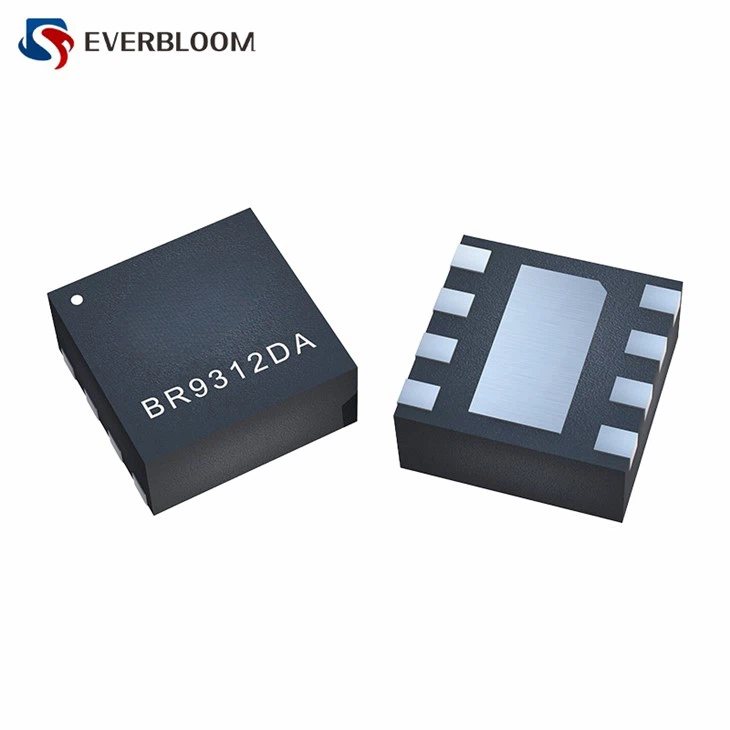
As a supplier of RF Equalizers, we understand the importance of power consumption in different applications. Our equalizers are designed with the latest technologies to minimize power consumption while providing excellent equalization performance.
We use advanced CMOS technology in our equalizer designs, which allows for low static power consumption. Our engineers also optimize the internal circuit architecture to reduce the dynamic power consumption, especially in high - frequency and wide - bandwidth applications.
In addition, we offer a wide range of RF equalizers with different gain and attenuation ranges, frequency ranges, and bandwidths to meet the diverse needs of our customers. Whether you are working on a low - power mobile device or a high - performance radar system, we have the right equalizer for your application.

6. Related RF Components
RF equalizers are often used in conjunction with other RF components, such as RF Switch - SPDT and RF Limiter.
An RF Switch - SPDT (Single - Pole Double - Throw) is used to select between two different RF signal paths. It can be used in combination with an RF equalizer to switch between different equalization settings or to select different input signals.
An RF Limiter is a device that limits the amplitude of an RF signal to protect the subsequent circuits from over - voltage or over - current damage. In an RF system, an RF limiter can be placed before the RF equalizer to ensure that the input signal to the equalizer is within a safe range.
7. Contact Us for Procurement
If you are interested in our RF equalizers or have any questions about their power consumption characteristics, please feel free to contact us. We have a team of experienced engineers who can provide you with detailed technical support and help you select the right equalizer for your application. Our goal is to provide you with high - quality, power - efficient RF equalizers that meet your specific requirements.
References
- Pozar, D. M. (2011). Microwave Engineering (4th ed.). Wiley.
- Razavi, B. (2017). RF Microelectronics (2nd ed.). Prentice Hall.
- Lee, T. H. (2004). The Design of CMOS Radio - Frequency Integrated Circuits (2nd ed.). Cambridge University Press.