



As an eMMC supplier deeply entrenched in the dynamic world of storage solutions, I often find myself in conversations about the intricacies of eMMC device identification. This topic is not only fundamental for understanding the technology but also crucial for businesses and consumers looking to make informed decisions when it comes to purchasing eMMC products.
Understanding the Basics of eMMC
eMMC, or embedded MultiMediaCard, is a standard specification for a flash memory storage device designed for use in mobile devices such as smartphones, tablets, and digital cameras. It integrates a flash memory chip and a flash memory controller into a single package, providing a simple and cost - effective storage solution for embedded systems.
The eMMC device identification is a set of unique information that allows the host system to recognize and communicate with the eMMC device properly. This identification includes several key components:
CID (Card Identification Register)
The CID is a 12 - byte register that contains information about the manufacturer, product name, serial number, and manufacturing date of the eMMC device. This information is unique to each device and serves as a digital fingerprint. For example, the manufacturer ID can tell you which company produced the eMMC, while the serial number can be used for tracking and warranty purposes.
CSD (Card Specific Data)
The CSD register, which is 16 bytes long, provides details about the device's capacity, data transfer rate, and other technical specifications. It tells the host system how to communicate with the eMMC device in terms of read and write operations. For instance, it specifies the block size, the number of blocks, and the maximum data transfer speed supported by the device.
Extended CSD
The Extended CSD is a much larger register (512 bytes) that contains more detailed information about the eMMC device. It includes features such as power management capabilities, support for different bus modes, and information about the device's wear - leveling algorithm. Wear - leveling is an important feature that helps to evenly distribute data writes across the flash memory, extending the device's lifespan.
Importance of eMMC Device Identification
Accurate device identification is essential for several reasons. Firstly, it ensures compatibility between the eMMC device and the host system. The host system needs to know the device's specifications to communicate with it effectively. For example, if the host system expects a certain data transfer rate and the eMMC device does not support it, there may be issues with data transfer or even system instability.
Secondly, device identification is crucial for quality control and warranty management. Manufacturers can use the unique identifiers to track the production history of each device, ensuring that they meet the required quality standards. In case of a defect, the serial number can be used to identify the specific device and determine its manufacturing batch, which helps in recalling and replacing faulty products.
Our eMMC Product Offerings
As an eMMC supplier, we offer a range of high - quality eMMC products to meet the diverse needs of our customers. Our HS400 Consumer Grade EMMC is designed for consumer electronics such as smartphones and tablets. It provides a balance between performance and cost, making it an ideal choice for mass - market products. With a high - speed data transfer rate of up to 400MB/s, it can handle the demands of modern applications and multimedia content.
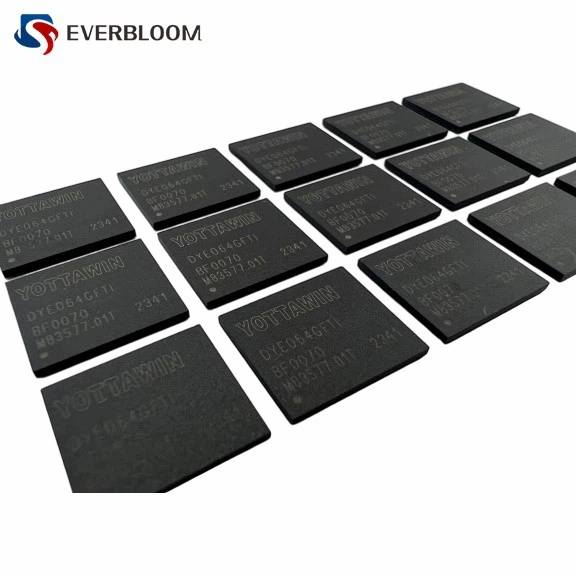

On the other hand, our HS400 Industrial Grade EMMC is built to withstand the harsh conditions of industrial environments. It has a wider operating temperature range, better shock and vibration resistance, and enhanced reliability. This makes it suitable for use in industrial control systems, automotive electronics, and other applications where reliability is of utmost importance.
How to Identify Our eMMC Devices
When you receive our eMMC devices, you can easily identify them using the CID and CSD registers. Our devices are labeled with clear information about their specifications and unique identifiers. You can also use specialized software tools to read the CID and CSD registers and verify the device's authenticity and specifications.
In addition, we provide detailed product documentation that includes information about the device's identification, technical specifications, and usage guidelines. This documentation can be a valuable resource for developers and engineers who are integrating our eMMC devices into their products.
Conclusion
In conclusion, eMMC device identification is a critical aspect of the eMMC technology. It allows for proper communication between the host system and the eMMC device, ensures compatibility, and facilitates quality control and warranty management. As an eMMC supplier, we are committed to providing high - quality products with accurate device identification.
If you are interested in purchasing our eMMC products or have any questions about eMMC device identification, we encourage you to contact us for further discussion. Our team of experts is ready to assist you in finding the right eMMC solution for your specific needs.
References
- JEDEC Solid State Technology Association. "JESD84 - B51: Embedded MultiMediaCard (eMMC) Electrical Standard, 5.1."
- Samsung Electronics. "eMMC Product Specifications."
- Toshiba Corporation. "Toshiba eMMC Product Manual."