


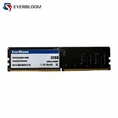

In the dynamic landscape of computer memory technology, the transition from DDR4 to DDR5 represents a significant leap forward, offering enhanced performance, efficiency, and capabilities. As a leading DDR supplier, we are at the forefront of this technological evolution, witnessing firsthand the transformative impact of DDR5 on the computing industry. In this blog post, we will explore the key improvements that DDR5 brings over DDR4, highlighting the benefits for various applications and users.
1. Higher Data Transfer Rates
One of the most notable improvements of DDR5 over DDR4 is the significant increase in data transfer rates. DDR5 memory modules are designed to operate at much higher frequencies than their DDR4 counterparts, enabling faster data access and transfer. While DDR4 typically operates at frequencies ranging from 2133 MHz to 3200 MHz, DDR5 starts at 4800 MHz and can go up to 8400 MHz or even higher in the future.
This higher data transfer rate translates into improved system performance, especially in applications that require rapid data processing, such as gaming, content creation, and data analytics. For example, in gaming, a faster memory can reduce loading times, improve frame rates, and provide a smoother gaming experience. In content creation, it can speed up tasks like video editing, 3D rendering, and photo processing.
2. Increased Bandwidth
In addition to higher data transfer rates, DDR5 also offers increased bandwidth. Bandwidth refers to the amount of data that can be transferred between the memory and the processor in a given time. DDR5 achieves higher bandwidth through several architectural improvements, including a wider data bus and a more efficient memory controller.
The increased bandwidth allows for more data to be transferred simultaneously, reducing bottlenecks and improving overall system performance. This is particularly beneficial for multi-threaded applications and workloads that require large amounts of data to be processed in parallel. For instance, in data centers, where servers handle multiple tasks simultaneously, DDR5's increased bandwidth can significantly improve the efficiency and performance of data processing.
3. Lower Power Consumption
Another significant advantage of DDR5 over DDR4 is its lower power consumption. DDR5 memory modules are designed to operate at a lower voltage than DDR4, typically 1.1V compared to 1.2V or 1.35V for DDR4. This reduction in voltage results in lower power consumption, which is not only beneficial for energy efficiency but also for reducing heat generation.
Lower power consumption is particularly important for mobile devices, such as laptops and tablets, where battery life is a critical factor. By using DDR5 memory, these devices can achieve longer battery life without sacrificing performance. In data centers, lower power consumption can also lead to significant cost savings in terms of electricity bills and cooling requirements.
4. Improved Error Correction
DDR5 also features improved error correction capabilities compared to DDR4. Error correction is essential for ensuring the reliability and integrity of data stored in memory. DDR5 uses a more advanced error correction code (ECC) called Cyclic Redundancy Check (CRC) in addition to the traditional ECC used in DDR4.
The CRC provides an additional layer of error detection and correction, reducing the risk of data corruption and improving the overall reliability of the memory. This is particularly important in applications where data integrity is critical, such as servers, data centers, and industrial control systems.
5. Enhanced Scalability
DDR5 offers enhanced scalability compared to DDR4, allowing for larger memory capacities and more flexible system configurations. DDR5 memory modules support higher capacities, with single modules available in capacities up to 64GB or even higher in the future. This enables systems to have more memory, which is essential for applications that require large amounts of data to be stored and processed, such as virtualization, big data analytics, and artificial intelligence.
In addition, DDR5 supports a more flexible memory architecture, allowing for easier expansion and upgrade of memory. This is particularly beneficial for users who need to increase their memory capacity over time to meet the growing demands of their applications.
6. Compatibility and Transition
While DDR5 offers significant improvements over DDR4, it is important to note that DDR5 is not backward compatible with DDR4. This means that systems that are designed to use DDR4 memory cannot directly use DDR5 memory without significant hardware changes. However, motherboard manufacturers are gradually introducing support for DDR5, and many new systems are now being released with DDR5 memory.
For users who are considering upgrading to DDR5, it is important to ensure that their motherboard supports DDR5 and that they have the necessary hardware and software compatibility. It is also recommended to consult with a professional or a knowledgeable technician to ensure a smooth transition.
7. Real-World Applications
The improvements offered by DDR5 have significant implications for a wide range of real-world applications. In the gaming industry, DDR5 can provide a more immersive and responsive gaming experience, with faster loading times, smoother frame rates, and improved graphics performance. In content creation, DDR5 can speed up tasks such as video editing, 3D rendering, and photo processing, allowing creators to work more efficiently and produce higher-quality content.
In the data center and server market, DDR5 can improve the performance and efficiency of servers, enabling them to handle larger workloads and process data more quickly. This is particularly important for cloud computing, big data analytics, and artificial intelligence applications, where large amounts of data need to be processed in real-time.


8. Conclusion and Call to Action
In conclusion, DDR5 represents a significant improvement over DDR4 in terms of performance, efficiency, and capabilities. With its higher data transfer rates, increased bandwidth, lower power consumption, improved error correction, enhanced scalability, and compatibility with modern systems, DDR5 is the future of computer memory.
As a leading DDR supplier, we are committed to providing our customers with the latest and most advanced DDR5 memory solutions. Whether you are a gamer, a content creator, a data center operator, or a business owner, our DDR5 memory modules can help you achieve better performance, efficiency, and reliability.
If you are interested in learning more about our DDR5 memory solutions or would like to discuss your specific requirements, please contact us for a consultation. Our team of experts is ready to assist you in finding the right memory solution for your needs.
References
- JEDEC Solid State Technology Association. "DDR5 SDRAM Standard."
- Intel Corporation. "DDR5 Memory: A New Era of Performance and Efficiency."
- Micron Technology, Inc. "DDR5: The Next Generation of Memory."