


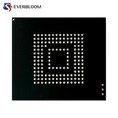

As an EMMC supplier, I've been deeply involved in the research and production of embedded multimedia cards for years. One question that often comes up in the industry and among our clients is whether EMMC is affected by electromagnetic interference (EMI). In this blog, I'll delve into this topic, exploring the nature of EMMC, the concept of electromagnetic interference, and the relationship between the two.
Understanding EMMC
EMMC, or Embedded MultiMediaCard, is a type of flash memory storage device that combines a flash memory controller and NAND flash memory in a single package. It has become a popular choice for many electronic devices, such as smartphones, tablets, and automotive infotainment systems, due to its high storage capacity, fast data transfer speeds, and low power consumption.
There are different grades of EMMC available in the market, such as the HS400 Industrial Grade EMMC and the HS400 Consumer Grade EMMC. The industrial-grade EMMC is designed to operate in harsh environments, with features like wider temperature ranges and higher reliability, while the consumer-grade EMMC is more suitable for general consumer electronics.
Electromagnetic Interference
Electromagnetic interference refers to the disruption of the normal operation of an electronic device by an external electromagnetic field. This interference can come from various sources, including power lines, radio frequency (RF) signals, and other electronic devices. EMI can cause a range of problems, from minor glitches and data errors to complete system failures.
There are two main types of electromagnetic interference: conducted and radiated. Conducted interference is transmitted through power lines and signal cables, while radiated interference is emitted into the air as electromagnetic waves. Both types of interference can affect the performance of EMMC devices.
How EMMC Can Be Affected by EMI
EMMC devices are vulnerable to electromagnetic interference due to their high-speed data transfer rates and the sensitive nature of their internal components. When an EMMC device is exposed to EMI, it can experience several issues:
- Data Errors: EMI can cause bit flips in the data stored in the EMMC, leading to data corruption. This can result in errors when reading or writing data, which can affect the performance of the device.
- Reduced Performance: The presence of EMI can slow down the data transfer rates of the EMMC, as the device may need to spend more time correcting errors or retransmitting data.
- System Instability: In severe cases, EMI can cause the EMMC device to malfunction or even crash, leading to system instability and potential data loss.
Factors Affecting EMMC's Susceptibility to EMI
Several factors can influence how susceptible an EMMC device is to electromagnetic interference:
- Design and Layout: The design and layout of the EMMC device and the printed circuit board (PCB) can have a significant impact on its EMI susceptibility. A well-designed PCB with proper grounding and shielding can help reduce the effects of EMI.
- Operating Environment: The environment in which the EMMC device operates can also affect its susceptibility to EMI. For example, devices used in industrial settings or near high-power electrical equipment are more likely to be exposed to EMI.
- EMI Sources: The proximity and strength of EMI sources can also play a role. Devices located close to strong EMI sources, such as radio transmitters or power generators, are more likely to be affected.
Mitigating EMI in EMMC Devices
To reduce the impact of electromagnetic interference on EMMC devices, several strategies can be employed:
- Shielding: Using shielding materials, such as metal enclosures or conductive coatings, can help block electromagnetic waves and reduce the amount of EMI reaching the EMMC device.
- Filtering: Installing EMI filters on power lines and signal cables can help remove unwanted electromagnetic noise and prevent it from affecting the EMMC device.
- Proper Grounding: Ensuring proper grounding of the EMMC device and the PCB can help dissipate electromagnetic energy and reduce the risk of EMI.
- Design Optimization: Optimizing the design of the EMMC device and the PCB can help reduce its susceptibility to EMI. This may include techniques such as separating sensitive components from EMI sources and using proper signal routing.
Conclusion
In conclusion, EMMC devices are indeed affected by electromagnetic interference. The high-speed data transfer rates and sensitive nature of EMMC make it vulnerable to EMI, which can cause data errors, reduced performance, and system instability. However, by understanding the factors that affect EMMC's susceptibility to EMI and implementing appropriate mitigation strategies, we can minimize the impact of electromagnetic interference on EMMC devices.
As an EMMC supplier, we are committed to providing high-quality products that are designed to withstand electromagnetic interference. Our HS400 Industrial Grade EMMC and HS400 Consumer Grade EMMC are engineered with advanced technologies and design features to ensure reliable performance in various operating environments.
If you are interested in purchasing EMMC products or have any questions about our offerings, we encourage you to contact us for a detailed discussion. We look forward to the opportunity to serve you and meet your EMMC needs.


References
- "Electromagnetic Compatibility Engineering" by Henry W. Ott
- "Fundamentals of EMC for Product Designers" by Tim Williams