


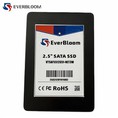


Hey there! As an eMMC supplier, I've seen firsthand how temperature can have a huge impact on these little storage devices. In this blog, I'm gonna break down what temperature means for eMMC and why it's super important for both consumers and industrial users.
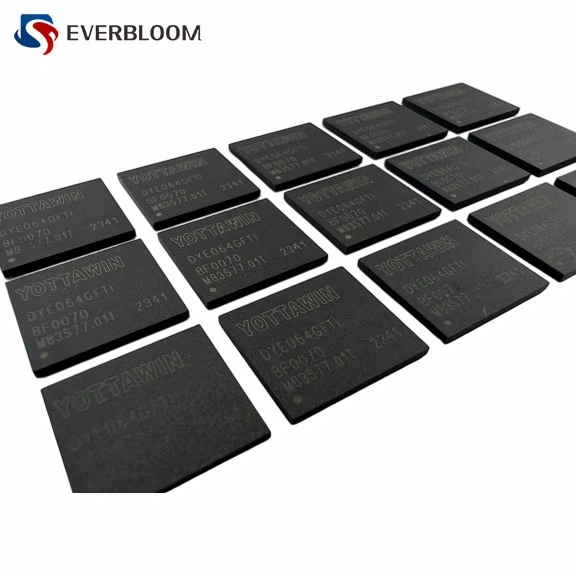

First off, let's talk about what eMMC is. eMMC, or embedded MultiMediaCard, is a type of flash storage that's commonly used in smartphones, tablets, and other mobile devices. It's a convenient and cost - effective way to store data, but its performance can be greatly affected by temperature.
How Temperature Affects eMMC Performance
1. Read and Write Speeds
One of the most noticeable impacts of temperature on eMMC is on its read and write speeds. When the temperature is too high, the eMMC's performance can take a nosedive. High temperatures can cause the electrical resistance in the flash memory cells to increase. This means that it takes longer for the data to be written or read, resulting in slower overall speeds.
For example, in a hot environment, say around 60°C, an HS400 Industrial Grade EMMC HS400 Industrial Grade EMMC might experience a significant drop in its read and write speeds compared to when it's operating at a more moderate temperature, like 25°C. On the other hand, extremely low temperatures can also be a problem. Cold temperatures can make the electrons move more sluggishly, again leading to slower data transfer rates.
2. Data Integrity
Temperature can also have a big impact on data integrity. High temperatures can cause the flash memory cells to become more prone to errors. The heat can disrupt the electrical charges in the cells, leading to bit flips. A bit flip is when a 0 is accidentally changed to a 1 or vice versa. This can corrupt data, which is a huge issue, especially for applications where data accuracy is crucial, like in industrial control systems or medical devices.
In cold temperatures, the risk of data integrity issues is also present. The physical structure of the flash memory can contract in the cold, which might cause stress on the memory cells and lead to data errors.
3. Lifespan
The lifespan of an eMMC is another aspect that's affected by temperature. High temperatures can accelerate the wear and tear of the flash memory cells. Each flash memory cell has a limited number of write cycles, and high temperatures can cause these cells to reach their end - of - life sooner.
For instance, if an eMMC is constantly exposed to high temperatures, say above 50°C, its lifespan could be significantly reduced compared to when it's operating in a more controlled temperature environment. On the other hand, very low temperatures can also have a negative impact on the lifespan. Cold temperatures can cause the materials in the eMMC to become brittle, increasing the risk of physical damage.
Industrial vs. Consumer Grade eMMC
When it comes to dealing with temperature, there's a big difference between industrial - grade and consumer - grade eMMC.
Industrial Grade eMMC
Industrial - grade eMMC, like the HS400 Industrial Grade EMMC, is designed to withstand a wider range of temperatures. These eMMCs are built with more robust materials and better thermal management systems. They can operate in temperatures ranging from - 40°C to 85°C or even higher in some cases.
This makes them ideal for industrial applications where the environment can be harsh, such as in factories, outdoor monitoring systems, and automotive electronics. Industrial - grade eMMC is also more reliable in terms of data integrity and lifespan, even in extreme temperature conditions.
Consumer Grade eMMC
Consumer - grade eMMC, such as the HS400 Consumer Grade EMMC, is designed for more typical consumer devices like smartphones and tablets. These eMMCs usually have a more limited temperature range, typically from 0°C to 60°C.
While they work great for everyday use in normal temperature environments, they might not perform as well in extreme temperatures. For example, if you leave your smartphone in a hot car on a summer day, the consumer - grade eMMC might experience performance issues or even data corruption.
Tips for Dealing with Temperature and eMMC
If you're using eMMC in your devices, here are some tips to help you deal with temperature:
1. Thermal Management
Make sure your device has a good thermal management system. This could include heat sinks, fans, or other cooling mechanisms. For industrial applications, you might need more advanced cooling solutions to keep the eMMC at an optimal temperature.
2. Temperature Monitoring
Implement temperature monitoring in your device. This way, you can keep an eye on the temperature of the eMMC and take action if it starts to get too hot or too cold. For example, you could set up an alert system that notifies you when the temperature exceeds a certain threshold.
3. Choose the Right Grade
Select the appropriate grade of eMMC based on your application's temperature requirements. If you're in an industrial environment with extreme temperatures, go for industrial - grade eMMC. If it's for a consumer device that will be used in normal conditions, consumer - grade eMMC should be sufficient.
Conclusion
Temperature has a significant impact on eMMC performance, data integrity, and lifespan. As an eMMC supplier, I know how important it is to understand these effects and choose the right eMMC for your needs. Whether you're an industrial user or a consumer, being aware of how temperature affects eMMC can help you make better decisions and ensure the reliability of your devices.
If you're interested in purchasing eMMC for your project, I'd love to have a chat with you. We can discuss your specific requirements and find the best eMMC solution for you. Don't hesitate to reach out and start the procurement process!
References
- "Flash Memory Handbook" by Mark Nelson
- Industry whitepapers on eMMC technology and temperature effects